

The Federal Government has dismissed the United Kingdom’s latest travel advisory, insisting that Nigeria is taking strong measures to protect citizens and foreigners alike.
The UK’s Foreign, Commonwealth and Development Office recently warned against all travel to Borno, Yobe, Adamawa, Gombe, Katsina, and Zamfara states due to terrorism, kidnappings, and escalating violence. It also advised avoiding all but essential travel to Bauchi, Kaduna, Kano, Kebbi, Jigawa, Sokoto, Niger, Kogi, Plateau, Taraba, and parts of the FCT, citing rising crime and potential flashpoints.
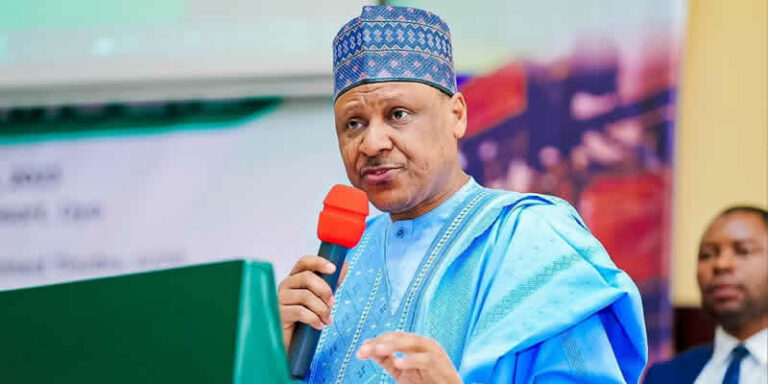
Speaking to The PUNCH on Sunday, Minister of Information and National Orientation Mohammed Idris rejected the advisory’s implications, noting that the government has restructured top security personnel and boosted investment in military hardware and intelligence.
“Our security challenges will soon be a thing of the past. All foreign nationals in Nigeria are guaranteed their safety as the government implements more effective security measures,” Idris said.
The Gombe State Government described the advisory as “unfounded and unfair,” with DG of Press Affairs Ismaila Misilli emphasizing that the state remains one of Nigeria’s most peaceful. “Gombe is safe, welcoming, and open for business and development. We wonder what criteria the UK used,” he added.
Similarly, Kano State officials downplayed the advisory, noting that security forces are proactively tackling threats. Chief Press Secretary Mustapha Muhammad said the UK may be unaware of local strategies, including targeted military deployments to border areas.
Borno State highlighted ongoing improvements in security, with Governor Babagana Zulum’s Special Adviser on Security, General Abdullahi Ishaq (retd.), noting that Maiduguri is currently safer than Abuja. He cited high numbers of insurgents surrendering through community engagement, and pointed out that relative peace has boosted agricultural production.
The UK advisory painted a worrying picture of Nigeria, warning of ongoing military operations in the North-East, militant activity and kidnappings in the South-South, separatist clashes in the South-East, and violent crimes in the South-West, including Lagos. Travelers were advised to remain alert and follow local security instructions.
Nigeria’s security challenges stem from years of Boko Haram insurgency, banditry, separatist agitation, and militant attacks in the Niger Delta.
Recently, US President Donald Trump designated Nigeria as a “country of particular concern,” citing threats to Christians and ordering the Pentagon to explore possible military interventions. Minister Idris, however, denied claims of persecution, noting that 17,000 terrorists are currently in custody.
The Federal Government insists that while challenges remain, significant progress has been made, and the country is safe for citizens, investors, and foreign visitors alike.