

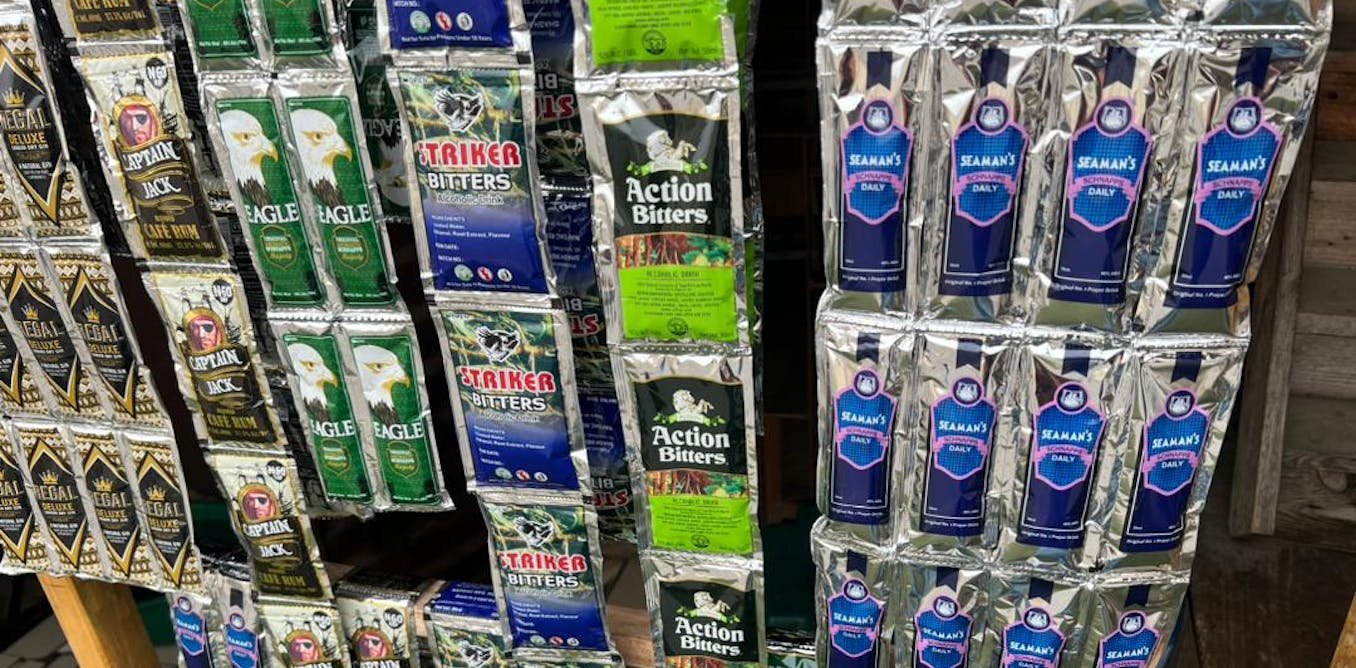
Organised Labour in the c sector has raised alarm over the far-reaching socioeconomic consequences that could follow the Senate’s instruction to the National Agency for Food and Drug Administration and Control (NAFDAC) to begin enforcing a nationwide prohibition on alcoholic drinks sold in sachets and PET or glass bottles below 200ml by 31 December 2025.
Operating under the Food, Beverage and Tobacco Senior Staff Association, FOBTOB, the group warned that the directive could destroy millions of jobs and cripple local manufacturing companies already battling tough economic realities.
During a briefing in Lagos, the President of FOBTOB, Jimoh Oyibo, said workers across the sector were now filled with fear because the effects of the ban—once implemented—would be “far-reaching, devastating and irreversible.”
He reminded journalists that a similar restriction introduced by NAFDAC last year was halted after Labour protests and a Public Hearing organised by the House of Representatives. Throughout that process, all stakeholders, including NAFDAC, made submissions, prompting a directive that the agency should consult manufacturers and re-evaluate its strategy.
He added that the Ministry of Health later granted a one-year extension to enable stakeholders to develop a full National Alcohol Policy.
The policy was validated in October 2025, with NAFDAC playing an active role in the process.
Oyibo said: “It is troubling that the same NAFDAC has now approached the Senate, resulting in a unilateral directive that did not follow due process and did not give stakeholders a fair hearing.”
FOBTOB stated that the ban could put at risk the livelihoods of over 500,000 direct employees and a further five million indirect workers, including farmers, distributors, marketers and transporters.
The Association further cautioned that “nearly N2 trillion worth of investments in machinery and raw materials could be lost. Indigenous Nigerian manufacturers risk total collapse, discouraging future investments. Smuggling and the circulation of unregulated alcoholic products may skyrocket, worsening public-health dangers. Government tax revenue could decline sharply as factories shut down or scale back operations.”
It added that with rising unemployment and no safety nets in place, such a ban could push many families deeper into poverty. According to the union, the very children the policy aims to shield could end up dropping out of school if their parents lose their jobs.
FOBTOB appealed to the Senate to immediately withdraw the directive and organise an inclusive Public Hearing so that manufacturers, Labour groups, regulators and public-health experts can make their positions known.
The union also urged lawmakers to adopt the already validated National Alcohol Policy, which prioritises controlled sales, stronger enforcement, countrywide awareness efforts and school-based enlightenment initiatives, rather than a complete ban.
Oyibo stressed that FOBTOB remains committed to ensuring that manufacturers comply with all safety and quality requirements.
He maintained, however, that government policies must not lead to the collapse of legitimate businesses or inflict undue hardship on workers who play vital roles in national development.
“As the saying goes, the mother hen must live to raise her chicks. Employers should be supported, not forced out of business,” he added.
With the December deadline drawing closer, tension continues to spread across the food and beverage sector, as millions of workers wait anxiously for clarity on a policy many believe could increase unemployment and destabilise an already fragile economy.

















I don’t think the title of your article matches the content lol. Just kidding, mainly because I had some doubts after reading the article.