Across the world, several notable figures have found themselves barred from entering the United States due to a variety of political, ideological, and security-related reasons. While such restrictions are often associated with criminal conduct or terrorism, these cases reveal that even prominent individuals may face visa revocations or entry denials based on other considerations. Below are five well-known personalities who have been prevented from entering the US.
1. Wole Soyinka (Nigeria)
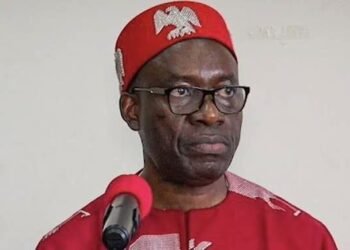
The Nobel Prize-winning writer and playwright announced in October 2025 that his non-immigrant visa to the United States had been revoked, effectively prohibiting his entry. He said, “I have no visa; I am banned, obviously, from the United States.” According to a letter from the US consulate, which he presented, the revocation was based on “additional information that became available after the visa was issued.” Soyinka speculated that the action might have been linked to his outspoken political statements, although no official explanation was made public.
2. Tareq Al-Suwaidan (Kuwait)
Al-Suwaidan, a well-known Islamic author, speaker, and entrepreneur, is reported to have been banned from entering the US and other countries, including Belgium, due to controversial remarks he made about Jews and Israel. Although specific details surrounding the visa ban or denial of entry remain unclear, his case highlights how individuals may face restrictions based on ideological grounds rather than criminal acts.
3. Anjem Choudary (United Kingdom)
The British Islamist preacher was classified as a “Specially Designated Global Terrorist” by the US Department of State in March 2017. This designation imposed restrictions on his entry into the United States and included the freezing of his assets. While the primary justification for the measure was counter-terrorism, his case illustrates how individuals viewed as security threats may be subjected to lifelong entry bans.
4. Cat Stevens (also known as Yusuf Islam, United Kingdom)
The renowned musician was denied entry into the United States in September 2004 while travelling to Washington, DC, after his name appeared on the no-fly list. He was subsequently returned to the United Kingdom. Officials cited “concerns of ties he may have to potential terrorist-related activities,” though Stevens denied knowingly engaging in any wrongful conduct. This instance demonstrates how national security protocols can affect even celebrated figures.
5. Pouria Amirshahi (France)
A French Member of Parliament and activist, Amirshahi was reportedly refused entry to the United States in June 2025 before a scheduled visit to meet lawmakers and civil society representatives. He said: “This is the first time in 240 years of relations between our two countries that a parliamentarian has been refused entry to the United States.” No official explanation was provided by the US authorities, though Amirshahi suggested the decision could have been politically motivated.
Why These Bans Matter
These five prominent cases highlight several significant aspects of US entry restrictions. Entry bans are not always linked to criminal behaviour; they may stem from political expression, ideological affiliations, or security concerns.
Prominent status offers no protection, as Nobel laureates, elected leaders, and well-known public figures may all face visa cancellations or prohibitions. Such actions often fall within the discretionary scope of immigration law, where official reasons may remain undisclosed. The US State Department consistently maintains that visas are a privilege, not a right.