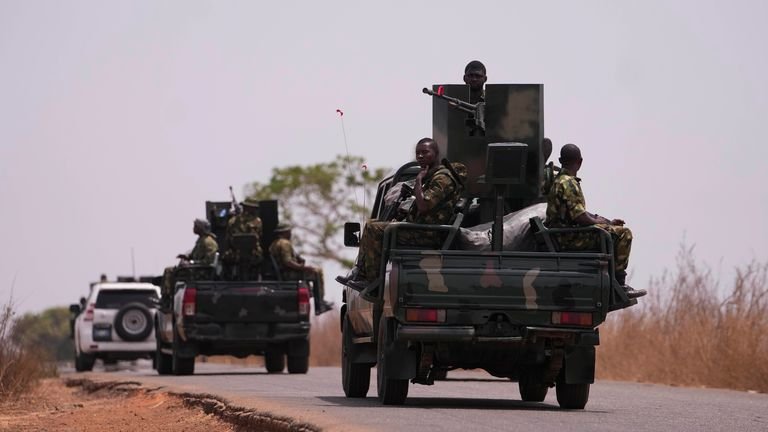
The International Society for Civil Liberties and Rule of Law (Intersociety) has revealed that an estimated 280 Christians were killed and 623 others abducted between September and November 2025 in attacks linked to armed groups across parts of the country.
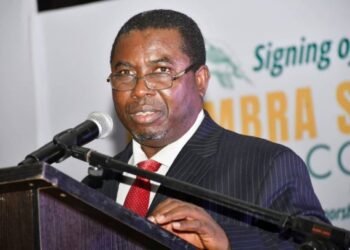
In a statement signed by its chairman, Emeka Umeagbalasi, the organisation noted that between November 17 and 21 alone, 388 people — including schoolchildren, teachers, clergy, and community members — were kidnapped in multiple incidents across several states.
Those abducted within five days, according to the group, include a Catholic priest and others reportedly taken in Southern Kaduna on November 17; schoolgirls kidnapped in Wasagu/Danko, Kebbi State; 38 members of the Christ Apostolic Church in Kwara State on November 18; a church leader in Southern Kaduna on November 19; and 315 pupils and teachers seized at a Catholic nursery, primary, and secondary school in Agwara Local Government Area of Niger State on November 21. The group also cited the reported abduction of 13 women in Askira-Uba, Borno State.
Umeagbalasi expressed concern over what he described as inconsistencies in recent public statements from the Holy See regarding incidents of violence affecting Christian communities in Nigeria. He warned that such remarks could create confusion about the gravity of the situation and cautioned against downplaying documented human rights violations.
He stated that these concerns stemmed from comments reportedly made during the 21 October 2025 launch of the 2025 Religious Freedom Report by Aid to the Church in Need in Rome, where some views expressed appeared to differ from the report’s findings.
He stressed the need for clear and coordinated international advocacy on religious freedom, pointing out that global rights groups — including agencies of the United States government — have repeatedly raised concerns over attacks on churches, schools, and vulnerable communities in Nigeria.
Umeagbalasi reiterated Intersociety’s call for stronger civilian protection measures, more decisive policy responses, and improved cooperation between national and international partners to confront ongoing security threats.