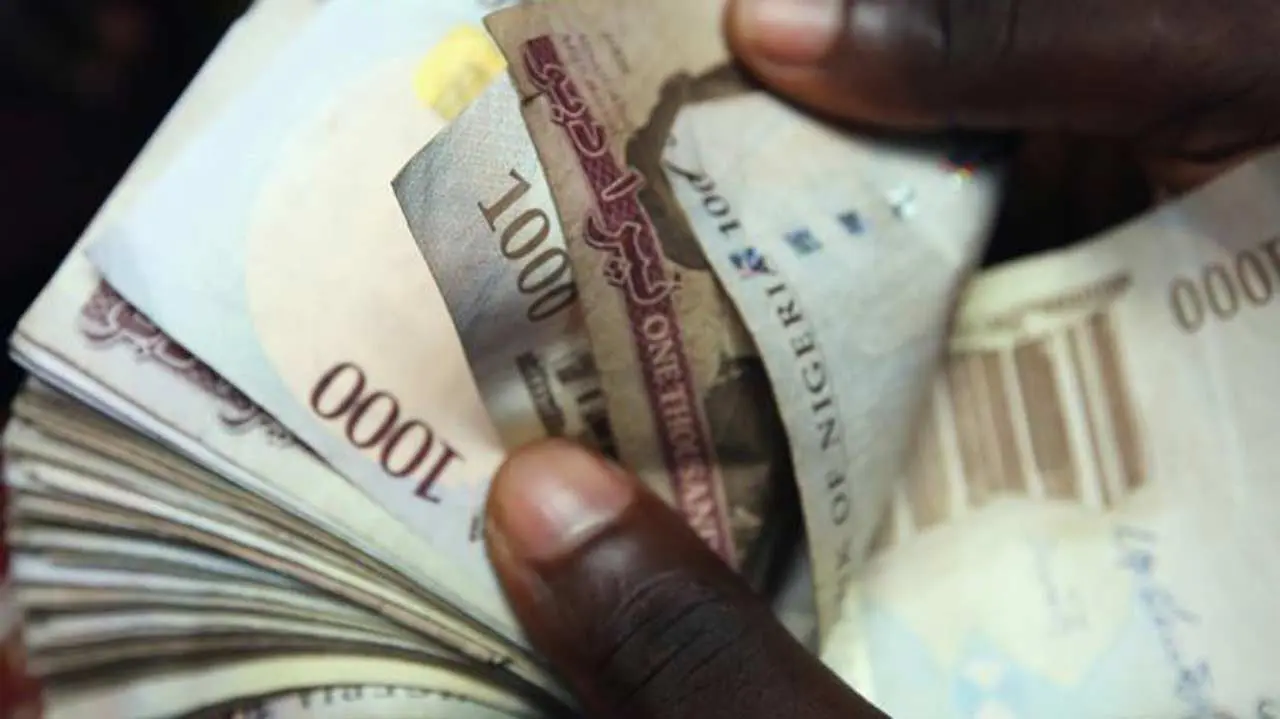
Nigeria’s money supply has surged dramatically, reaching a record N117.8 trillion over the past two years amid increased bank lending to the government.
Data from the Central Bank of Nigeria (CBN) shows that the broad money supply (M3) grew by 75.9%, rising from N66.9 trillion in September 2023 to N117.8 trillion in September 2025, signalling excess liquidity in the economy.
Banks’ credit to the government also climbed to a historic high of N24.158 trillion in September 2025. According to the CBN’s Money and Credit report, government credit expanded by 9.1% over the two years ending September 2025, up from N22.137 trillion in September 2023, highlighting the government’s increasing dependence on bank financing.
A closer look at the money supply reveals that in the first half of 2025, M3 grew by 80.6% to N117.25 trillion from N64.9 trillion in the same period in 2023. In the first quarter of 2025 alone, it surged by 112% to N115.8 trillion from N54.6 trillion in Q1 2023.
However, banks’ credit to the government showed contrasting trends during this period. In the first half of 2025, it dropped by 30.6% to N21.66 trillion from N31.23 trillion, and in Q1 2025, it declined by 10.7% to N24.59 trillion from N27.53 trillion in Q1 2023.
Year-on-year data indicates a 38.8% decrease in government credit from banks in September 2025, down to N24.2 trillion from N39.5 trillion in September 2024.
David Adonri, Executive Vice Chairman at High Cap Securities Limited, commented on the implications of the rising money supply. He explained that increasing the money supply can spur economic growth by lowering interest rates and encouraging spending and investment.
However, if not properly managed and if it surpasses economic growth, it could trigger inflation—“too much money chasing too few goods”—leading to higher consumer prices, balance of payment deficits, and reduced industrial capacity utilisation.
Regarding banks’ credit to the government, Adonri noted that rising government borrowing from the financial sector, particularly domestic banks, typically signals increased government debt used to finance operations such as infrastructure, social programs, and budget deficits.