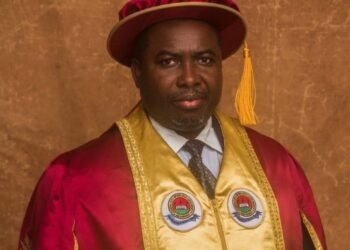
Controversial Islamic cleric, Sheikh Ahmad Gumi, has finally responded to the accusations and debates over those believed to be sponsoring terrorism in Nigeria.
In a strongly worded public prayer shared on Thursday, the Kaduna-based scholar called on God to punish anyone benefitting from the violence and bloodshed across the country.
His remarks have once again placed him at the centre of national discussions on insecurity.
Gumi posted the prayer on his social media page, asking God to expose everyone responsible for the killings and unrest in many communities.
He stated that any person—whether Nigerian or foreign—who profits directly or indirectly from terror attacks should face divine anger.
He added that such individuals deserve immediate punishment, as long as innocent people are not affected.
He wrote: “Ya Allah! Whoever initiated or is behind this insecurity and bloodbath in Nigeria, whether foreign or citizen, or has any benefit, material or otherwise, or is even happy that people are being killed, or willingly did nothing to stop it, may by Your divine power be exposed and Your anger poured upon them and punished immediately without harm to the innocent. Amin. Say Amin!”
The post quickly attracted reactions from Nigerians, with many questioning his choice of words and reigniting debates about his past interactions with bandits.
Some accused him of showing sympathy to criminal groups, while others repeated the prayer and expressed hope that those fueling insecurity would be exposed.
Responding to critics, Gumi dismissed their comments and urged them to focus on the prayer instead of his personality.
He maintained that his message was aimed at anyone contributing to insecurity — whether through sponsorship, support, or silence.
Gumi has long been a controversial figure because he engaged with armed groups in the North-West.
Although he has defended his approach as an effort to promote dialogue and peace, many groups have demanded his arrest, accusing him of empowering bandits.
His latest statement appears targeted at reinforcing his claim that Nigeria’s insecurity is not driven only by armed groups, but also by hidden individuals benefiting from the chaos.