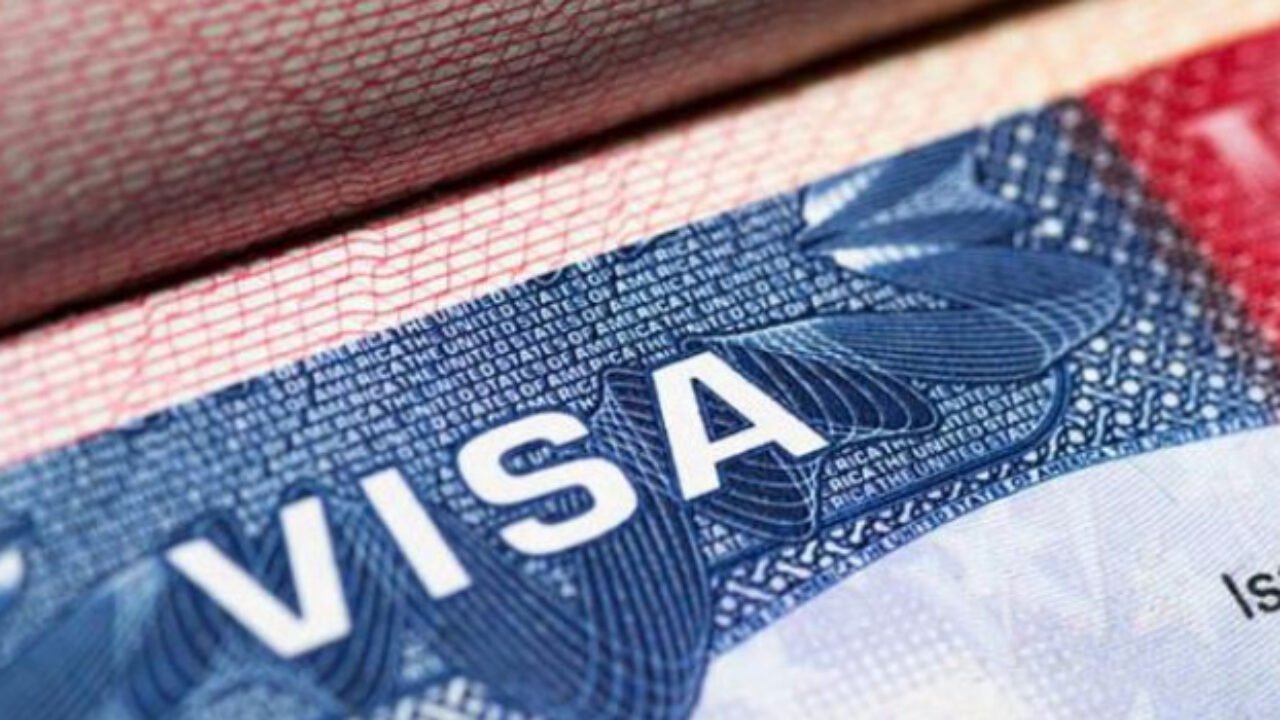
US immigration lawyers are increasingly securing O-1 visas for Nigerian OnlyFans models, content creators, and social media influencers, arguing that they qualify under the category of “extraordinary ability” in US immigration law.
This trend follows recent visa restrictions placed on Nigeria last month under the administration of President Donald Trump.
The O-1 visa, divided into O-1A and O-1B categories, is intended for individuals who can demonstrate exceptional talent. While O-1A applies to fields such as science, business, education, and athletics, the O-1B category covers the arts and creative sectors.
Lawyers have successfully established that digital creators, influencers, and adult content performers fall within the O-1B classification.
With restrictions now affecting B-1, B-2, B-1/B-2, F, M, and J visa applicants, some Nigerian content creators and influencers are turning to the O-1 category as an alternative pathway into the United States.
Individuals cannot apply for O-1 visas independently; applications must be submitted through a US employer or agent, usually with support from immigration lawyers. Successful applicants may also bring dependents under the O-3 category.
Speaking to the Financial Times, immigration lawyer Michael Wildes said a significant share of his recent clients were social media personalities, whom he described as “scroll kings and queens”.
He explained that metrics such as views, likes, and subscriber numbers make it easier to demonstrate eligibility, as they provide measurable evidence of influence and commercial value.
Experts note that influencer marketing deals, ambassadorial contracts, and brand endorsements may also be presented as forms of professional recognition.
Additional qualifying indicators include leading roles in productions, notable earnings, expert acknowledgements, and international visibility through published or featured works.
Another US immigration lawyer, Fiona McEntee, told the Financial Times that appearances at public events, including store launches, could be interpreted as “starring in a distinguished production” under O-1B guidelines.
However, concerns have emerged that increasing demand for O-1B visas among influencers and adult content creators may disadvantage applicants in O-1A fields such as science and education, where proving “extraordinary ability” often requires more complex and subjective documentation.
Despite these concerns, many lawyers note that approvals under the O-1B category remain comparatively straightforward for applicants with large online audiences and clear evidence of commercial success.