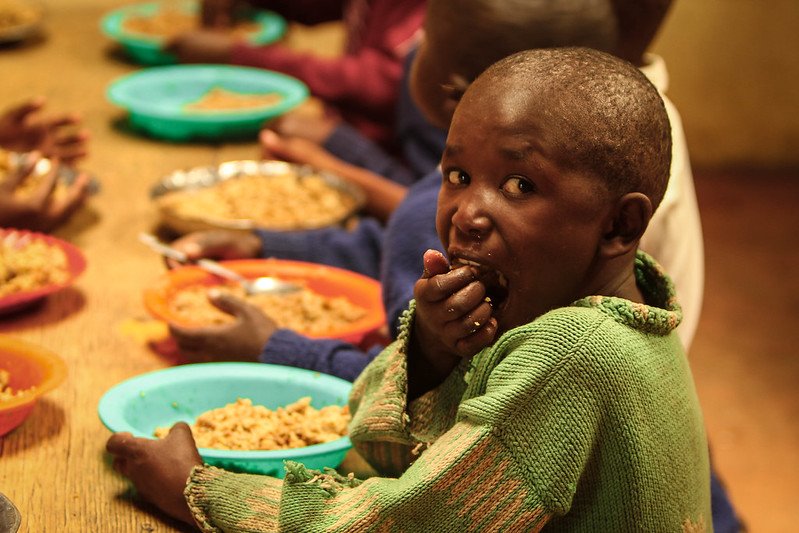
The United Nations has named Nigeria and Mali among sixteen countries facing severe hunger emergencies, warning that millions more people could soon be pushed to the brink of famine due to rising conflicts and dwindling aid funding.
In a joint report released by the Food and Agriculture Organisation (FAO) and the World Food Programme (WFP), the agencies revealed that violence and insecurity were the major causes of acute food shortages in most of the affected nations.
According to the report, Haiti, Mali, Palestine, South Sudan, Sudan, and Yemen are the countries most at risk, where populations face an “imminent danger of catastrophic hunger.”
Other nations categorised as areas of “very high concern” include Afghanistan, the Democratic Republic of the Congo, Myanmar, Nigeria, Somalia, and Syria. Burkina Faso, Chad, Kenya, and the Rohingya refugee communities in Bangladesh were also listed among regions facing serious food insecurity.
“We are on the brink of a completely preventable hunger catastrophe that could lead to mass starvation in several countries,” warned WFP Executive Director, Cindy McCain. She cautioned that failure to act promptly “will only drive further instability, migration and conflict.”
The report noted that global humanitarian funding has fallen dangerously short, with only $10.5 billion received out of the $29 billion required to provide urgent assistance to those at risk.
As a result of the financial shortfall, the WFP said it had been forced to cut food aid for refugees and internally displaced persons, and in some regions, suspend school feeding programmes.
The FAO added that limited funding was also threatening agricultural recovery efforts such as providing seeds, tools, and livestock health services, all of which are vital to stabilising food production and preventing future crises.
The agencies stressed the urgent need for renewed international commitment and funding support to avert what they described as a worsening global hunger emergency.