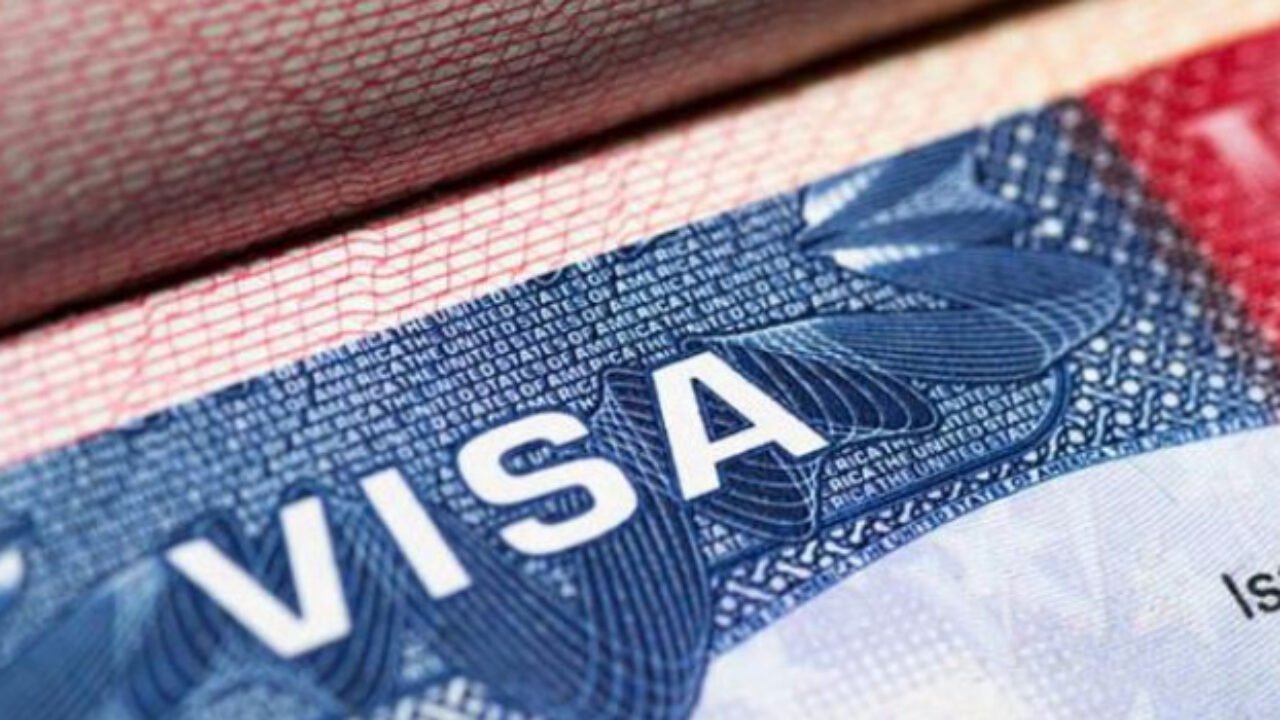
The United States government has widened its suspension of legal immigration applications to cover people from 20 additional countries, including Nigeria, following President Donald Trump’s latest expansion of his “travel ban” proclamation.
A U.S. official, who spoke anonymously, disclosed the internal policy changes to CBS News, noting that they have not yet been formally announced to the public.
Under the updated proclamation, President Trump added 20 more countries to the travel ban list, completely barring immigrants and travellers from five new nations while placing partial entry restrictions on citizens of 15 others.
According to the official, the United States Citizenship and Immigration Services, USCIS, has extended its pause on processing immigration cases to include nationals of the newly listed countries affected by the proclamation.
The full travel ban now applies to citizens of Burkina Faso, Mali, Niger, South Sudan and Syria, who join countries already facing complete entry restrictions.
Those affected by partial bans include nationals from Angola, Antigua and Barbuda, Benin, Cote d’Ivoire, Dominica, Gabon, Gambia, Malawi, Mauritania, Nigeria, Senegal, Tanzania, Tonga, Zambia and Zimbabwe.
Before the latest expansion, the suspension covered applicants from Afghanistan, Burundi, Chad, Cuba, the Republic of the Congo, Equatorial Guinea, Eritrea, Haiti, Iran, Libya, Laos, Myanmar, Sierra Leone, Somalia, Sudan, Togo, Turkmenistan, Yemen and Venezuela. In the new proclamation, Laos and Sierra Leone were moved from partial restriction status to full entry bans.
Reacting to the development, USCIS Director Joseph Edlow made a post on social media late Thursday that appeared to confirm the expansion.
“USCIS is conducting a comprehensive review of anyone from anywhere who poses a threat to the U.S., including those identified in the President’s latest proclamation to restore law and order in our nation’s immigration system,” Edlow wrote.
With this latest action, President Trump’s travel ban now affects nationals from more than 60 percent of African countries and approximately 20 percent of all countries worldwide.
The president has maintained that the sweeping restrictions are necessary to protect U.S. national security and address challenges in properly vetting individuals from the affected nations.
However, critics have strongly condemned the policy, describing it as discriminatory, as it disproportionately targets countries in Africa and Asia.