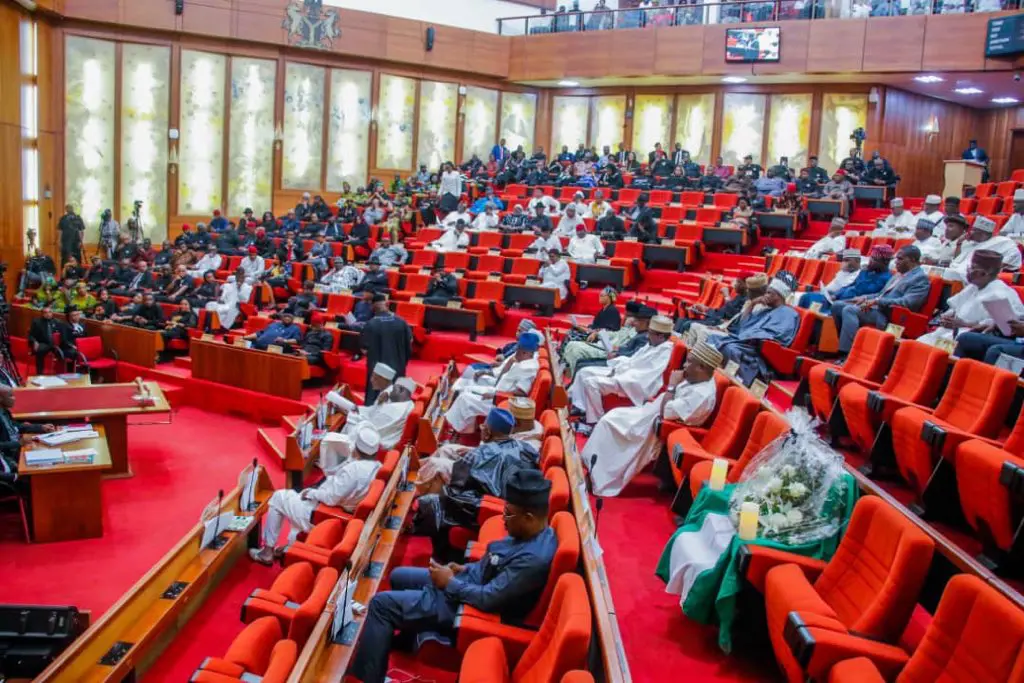
The Nigerian Senate has advanced the Electric Vehicle Transition and Green Mobility Bill 2025 to its second reading.
The legislation is designed to establish a national framework for Nigeria’s shift toward electric vehicles, encourage local production, and reinforce the country’s dedication to environmental sustainability.
Sponsored by Orji Uzor Kalu, representing Abia North, the bill received overwhelming support from lawmakers who discussed various strategies to promote electric mobility through local content development, foreign collaborations, and the establishment of nationwide charging infrastructure.
Leading the debate, Kalu explained that the bill aims to revolutionise Nigeria’s automotive and energy sectors, drive innovation, and create job opportunities across the manufacturing value chain.
He stated that the proposed law includes incentives such as tax holidays, import duty waivers, toll exemptions, subsidies, and road tax reliefs for users and investors of electric vehicles.
Additionally, the bill mandates that every fuel station in the country must install electric charging points.
One major provision requires foreign automobile manufacturers to collaborate with licensed Nigerian assemblers and set up local assembly plants within three years, ensuring at least 30 percent local content by the year 2030.
Non-compliance could lead to fines of up to 250 million naira per violation, while unlicensed importers of electric vehicles risk penalties of 500 million naira and confiscation of their goods.
Economically, the bill aims to position Nigeria as a major hub for electric vehicle manufacturing in Africa. It requires assemblers to produce a minimum of 5,000 units annually while adhering to global safety and technical standards. Investors who establish charging stations will also be eligible for government grants and tax incentives.
Senate President Godswill Akpabio described the proposal as a visionary step consistent with President Bola Tinubu’s agenda for economic diversification and clean energy development.
The bill has been forwarded to the Senate Committee on Industry for further consideration and is expected to be presented again in the chamber within the next four weeks.