The Academic Staff Union of Universities (ASUU) has urged the Federal Government to place education at the forefront of national priorities, stressing that the Union will not back down in its struggle to protect and sustain Nigerian universities despite persistent threats.
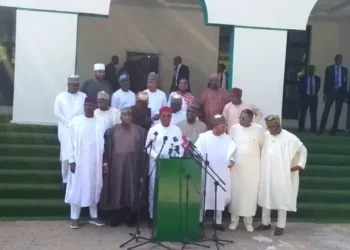
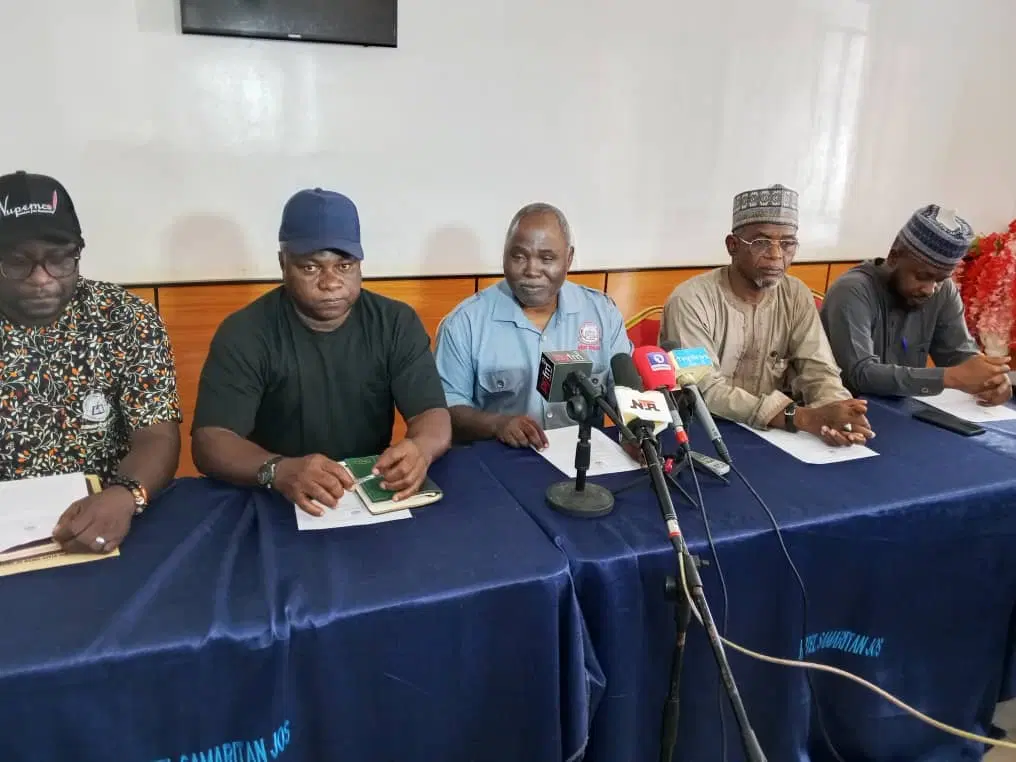
Speaking at a press briefing held on Saturday by the Bauchi Zone, the Zonal Coordinator, Professor Timothy Namo, warned that the Federal Government’s failure to address long-standing demands could again disrupt academic activities across universities.
He recalled that on 28 August 2025, ASUU held a press conference at Sa’adu Zungur University, Gadau, in compliance with a National Executive Council (NEC) directive, cautioning that academic activities were at risk of disruption unless urgent steps were taken.
According to him, the government’s lack of action prompted ASUU to embark on a two-week warning strike on 13 October 2025. Following a review at an emergency NEC meeting on 21 October, the Union noted that although the strike generated significant public support from students, the media, the Nigeria Labour Congress, and the National Assembly, most of the critical issues remained unresolved.
The NEC suspended the strike to allow the Government a one-month window to finalise renegotiations. However, with the deadline now near, Professor Namo stressed that “nothing substantial has been achieved.”
He explained that at the NEC meeting held at Taraba State University, Jalingo, from 8–9 November 2025, the Union rejected the Government’s proposed salary review, describing it as “a drop in the ocean” incapable of halting the rising brain drain in Nigerian universities.
While he acknowledged some progress on non-monetary aspects of the renegotiated agreement, he said the core concerns — salaries and conditions of service — remain unresolved.
He also accused some government officials of deliberately misrepresenting government positions during negotiations, a practice he said undermines the credibility of the process and makes it harder to reach a stable, lasting agreement for the university system.
ASUU further highlighted that the partial payment of promotion arrears dating back to 2017 and the delayed release of outstanding third-party deductions were insufficient gestures that did little to restore academics’ confidence.
The Union argued that these actions only emphasise the Government’s inconsistent commitment to addressing welfare challenges that have crippled the sector for years.
Referencing Federal Accounts Allocation Committee data showing higher national revenues between 2022 and 2024, ASUU insisted that the problem is not a lack of resources but a lack of political will and misplaced priorities. It reiterated that meaningful investment in education remains the surest way to secure the future of Nigerian children.
ASUU called on traditional rulers, civil society organisations, students, the Nigeria Labour Congress, and the National Assembly to intensify pressure on the Government to take decisive action and prevent another crisis in the university system.