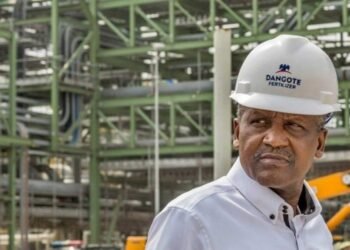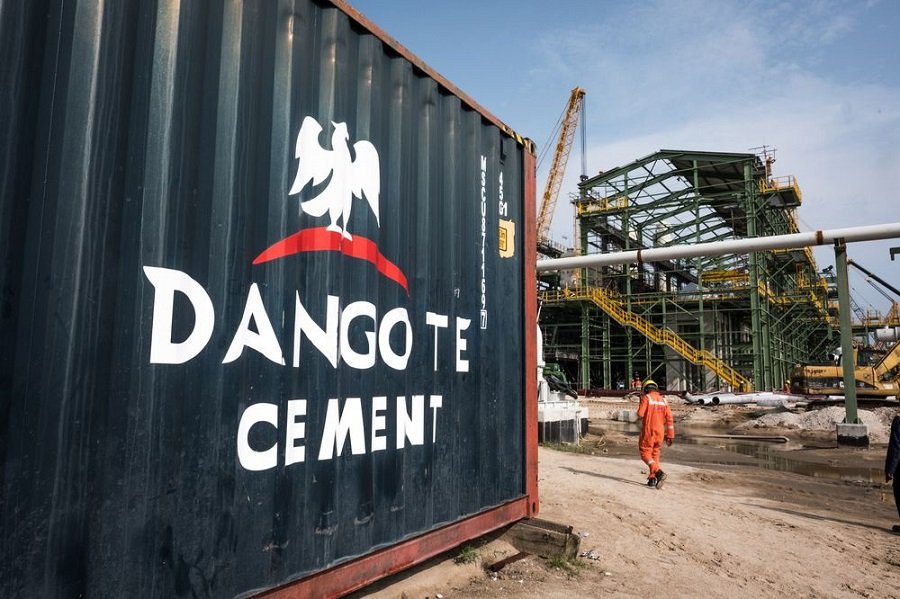
President of Dangote Group, Aliko Dangote, has attributed the higher cost of cement in Nigeria to heavy taxation and regulatory pressures, explaining that these factors make locally sold cement more expensive than exports.
He explained that the price difference arises because exporting allows his company to avoid several taxes that significantly raise production costs within Nigeria.
“When you look at my invoice, the cement I export is cheaper than the one I’m selling domestically, because that’s how exports work. In export I’m saving a lot of money, I’m not paying 30% income tax, I’m not paying 2%, education, I’m not paying 1% health, I’m not paying 7.5% VAT, and I’m not paying 10% withholding tax.”
Dangote said removing these charges enables his company to price Nigerian cement competitively in the global market against producers from Turkey, Russia and China.
“So when you reduce all these taxes, I can afford to go and compete with the international market, with the likes of Turkey, Russia, and China,” he stated.
The billionaire businessman has repeatedly promoted local manufacturing as a pathway to economic self-reliance. However, many observers have continued to question why Dangote’s products are often cheaper outside Nigeria than within the country. This situation highlights how Nigeria’s fiscal structure makes it more economical to sell locally manufactured goods abroad than at home, pointing to deeper structural weaknesses in the economy.