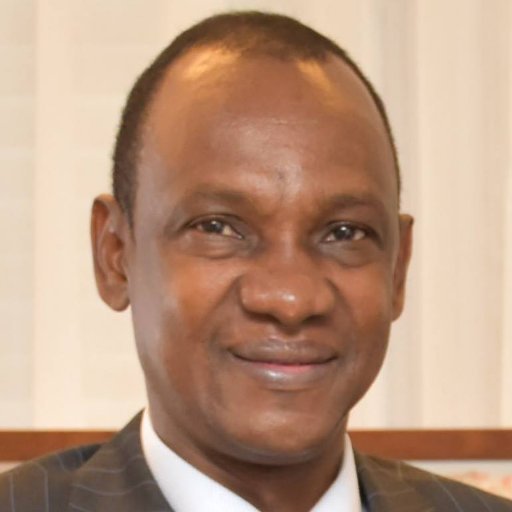
Mali’s former civilian prime minister, Choguel Kokalla Maiga, has been charged with embezzlement of public funds and ordered into custody following a hearing at the country’s Supreme Court.
Maiga was dismissed from office in November 2024, just months after openly criticising the military junta that has ruled Mali since successive coups in 2020 and 2021.
His lawyer, Cheick Oumar Konare, confirmed the charges on Tuesday, adding that no trial date has been set. “We believe in justice, we are calm while awaiting the trial,” Konare told AFP, noting that Maiga will remain in detention.
Judicial sources said Maiga faces multiple allegations, including “damage to public property, forgery, use of false documents” alongside embezzlement. Eight of his former aides were also detained, while his former chief of staff was released pending trial.
Maiga was arrested last week, days after the junta carried out widespread arrests to thwart what it described as an attempted coup within the military. “Choguel Maiga says he is calm and believes that a politician should expect anything, including prison and death,” his lawyer added.
Appointed prime minister in 2021 after the junta’s second coup, Maiga lost his position three years later after publicly criticising the regime for failing to set a clear timetable for a return to civilian rule. His removal raised concerns about the military entrenching its hold on power. He was replaced by General Abdoulaye Maiga, a former government spokesman.
Mali, one of West Africa’s poorest countries, has faced escalating insecurity since 2012, with armed groups linked to Al-Qaeda and Islamic State, alongside criminal gangs, carrying out frequent attacks. The regime of Colonel Assimi Goita has distanced itself from Western allies like France and strengthened ties with Russia, whose forces have been accused, along with Malian troops, of committing atrocities against civilians.
In July, a new law passed by the military-backed legislature granted Goita a five-year presidential mandate — renewable “as many times as necessary” without elections — a move seen as consolidating authoritarian rule.