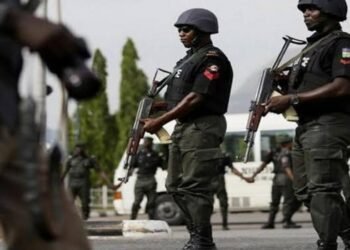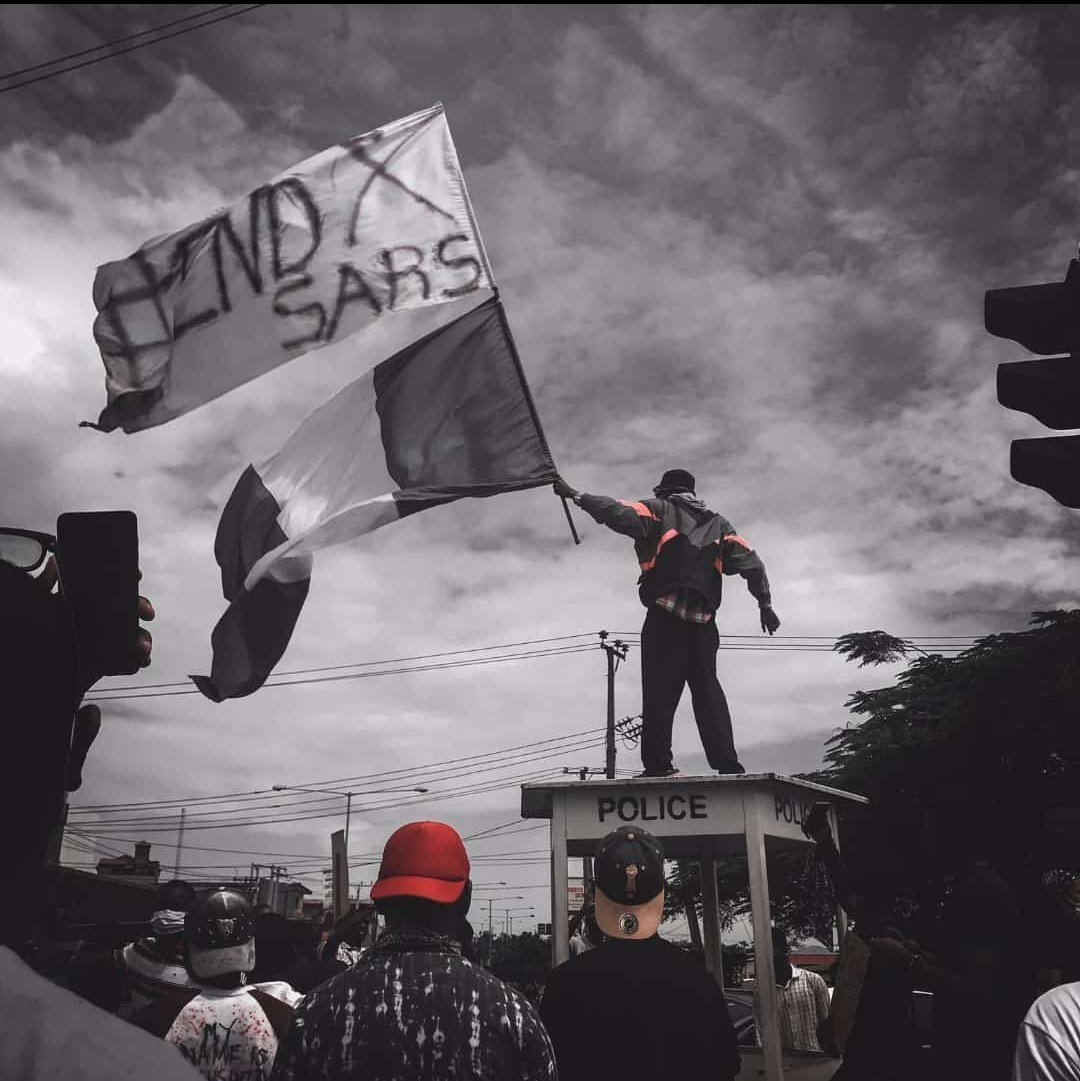
Five years after the #EndSARS protests that ignited nationwide demands for police reform and accountability, Nigerian lawyers are reflecting on the movement’s legacy and its influence on governance, justice, and human rights.
As the country marks the fifth anniversary, legal practitioners have shared their views on how far progress has been made and the challenges that still persist.
While acknowledging the lasting significance of the protests in awakening civic awareness, they also stressed the need for deeper institutional reforms, adherence to court rulings, and genuine commitment to justice for victims.
Former Welfare Secretary of the Nigerian Bar Association, NBA, Kunle Edun, SAN, described #EndSARS as “a dark page in Nigeria’s history,” symbolising government disregard for human life and the rule of law.
He said: “The courts gave judgments awarding damages to victims, yet the government ignored them. Disrespect for judgments is an invitation to anarchy — not even a million soldiers can stop it.”
Edun accused Attorneys-General and lawmakers of collaborating with governors to disobey court rulings, stating, “We only have civilian rule, not democracy.”
He urged the judiciary to ensure compliance with its decisions and advocated for the establishment of state police to help curb abuse.
Human rights lawyer Deji Adeyanju blamed Nigeria’s “systemic culture of impunity” and executive interference for the lack of progress on #EndSARS accountability.
“Implementation of judicial panel recommendations depends on political will and budgetary approval, both of which are lacking,” he said.
He noted that although ECOWAS Court rulings are binding, they lack enforcement power. “Compliance relies on good faith and civil pressure,” he added.
The NBA representative on the Lagos Judicial Panel, Amanda Demechi-Asagba, maintained that victims of the #EndSARS protest deserve genuine restitution and not mere promises.
She said: “The panels made clear findings, but implementation has stalled. Victims deserve justice, compensation, restitution, and not rhetoric.”
She urged the Nigerian government to demonstrate true commitment to reform. “The police must be restructured to prioritise human rights and rebuild community trust,” she said. She further warned that failure to act could spark future public outrage.
One of the counsel to victims of the Lekki Toll Gate shooting, Ayo Ademiluyi, asserted that accountability will remain out of reach as long as the same political class that enabled the violence retains power.
“The Lagos Judicial Panel’s findings were nullified by a unilateral White Paper. No victim can get real justice under this current political class because they enabled the injustice perpetrated five years ago on innocent youth calling for change,” he lamented.
Ademiluyi called for urgent reforms in police welfare and structure, saying, “Nothing has changed in five years. We must overhaul police working conditions and pensions. Only then can reforms be meaningful.”
Five years later, #EndSARS stands as both a part of history and an ongoing struggle. It is history because it reshaped Nigeria’s civic landscape, proving that citizens can unite in mass solidarity against injustice.