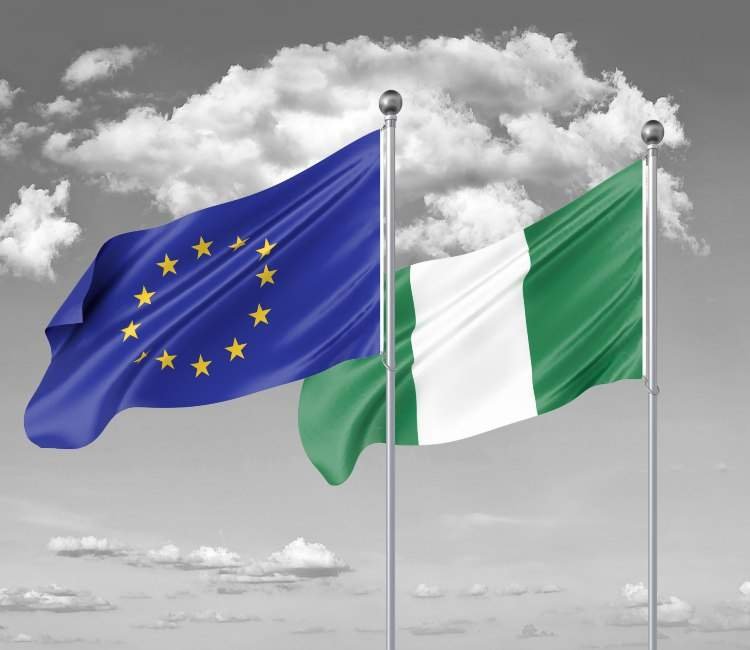
Nigeria has been delisted from the European Union’s classification of high-risk jurisdictions, a move expected to improve trade relations, ease financial transactions and encourage stronger investment ties with European partners.
Business Insider reported that the European Commission confirmed the decision on Wednesday, noting that Nigeria, alongside South Africa, Burkina Faso, Mali, Mozambique and Tanzania, had made notable improvements to their anti-money laundering and counter-terrorism financing frameworks. According to the commission, the countries no longer present “strategic deficiencies” under EU evaluation standards.
The commission explained that recent reforms had aligned the affected countries’ financial systems with global benchmarks established by the Financial Action Task Force (FATF).
Reacting to the development, Minister of State for Finance, Dr Doris Uzoka-Anite, described the removal as a major milestone for Nigeria’s economy and investor appeal.
“Big win for Nigeria! Removed from EU’s financial ‘high-risk’ list! Congrats to President @officialABAT on this achievement. As Minister of State for Finance, I’m proud of this boost to trade and investor confidence.”
Previously, Nigeria’s inclusion on the EU high-risk list meant that financial dealings with European entities were subject to enhanced due diligence, stricter documentation and additional regulatory scrutiny.
These measures often slowed cross-border transactions and made investment processes more complex for Nigerian businesses and financial institutions. The country’s removal from the list is expected to reduce these obstacles and strengthen economic engagement with Europe.